
Mobility routine for desk workers
Use gentle, equipment-free movements to ease stiffness after sitting, move your major joints through a comfortable range, and build a routine that fits your workday.

What a desk routine should do
A good desk mobility routine uses gentle, controlled motion instead of deep or painful stretching. It should fit your space, cover the areas that get stiff from sitting, and feel easy enough to repeat during a normal workweek.
Seated and standing movements offer different ways to add motion in a small workspace. ChatGPT can compare these options and explain when each may be useful.

Why sitting leaves you stiff
Long hours in one position can make the neck, shoulders, upper back, hips, and ankles feel stiff. Mobility work is not about forcing a deep stretch; it uses easy, controlled motion to help joints move through a comfortable range. ChatGPT can explain the difference between controlled mobility movements and held stretches, with desk-friendly examples of each.
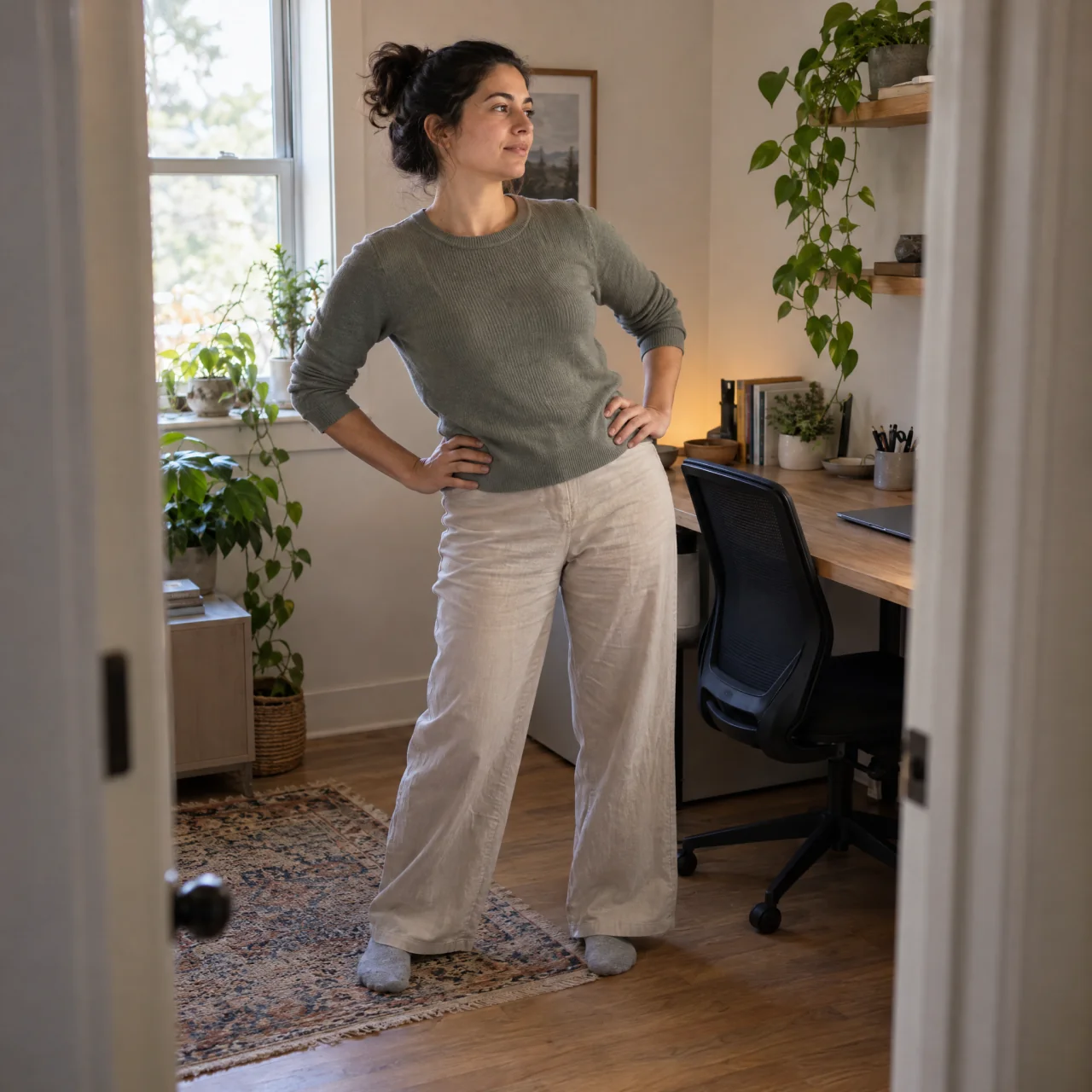
A routine that fits your desk
A useful 10-minute routine can move from the neck and shoulders to the spine, hips, and ankles, using seated or standing options that fit a small workspace without weights or machines. For a gentle neck movement, sit on a stable, non-wheeled chair and slowly turn your head left, return to center, then turn right, staying within a comfortable range. ChatGPT can suggest seated or standing alternatives for a desk mobility move you share, with simple cues suited to your workspace and movement limits.

Does the routine fit your workspace?
Check whether you have ten minutes and enough room for seated or standing movements, grouping seated moves together so you don't have to keep moving your chair. Keep each motion controlled and comfortable, stop for pain, numbness, or dizziness, and seek medical advice for ongoing or worrying symptoms. ChatGPT can review the ten-minute framework and neck-turn example against your time and workspace, flag likely transition problems, and suggest practical adjustments.

Make mobility part of your workday
Daily mobility is easier to keep when it is tied to something that already happens, such as logging in, lunch, or the end of a meeting. A two-minute backup can also keep the habit alive on packed days. ChatGPT can use your work hours, usual break points, and reminder preference to create a simple weekly schedule with full-routine windows and short backup breaks.
問問 ChatGPT
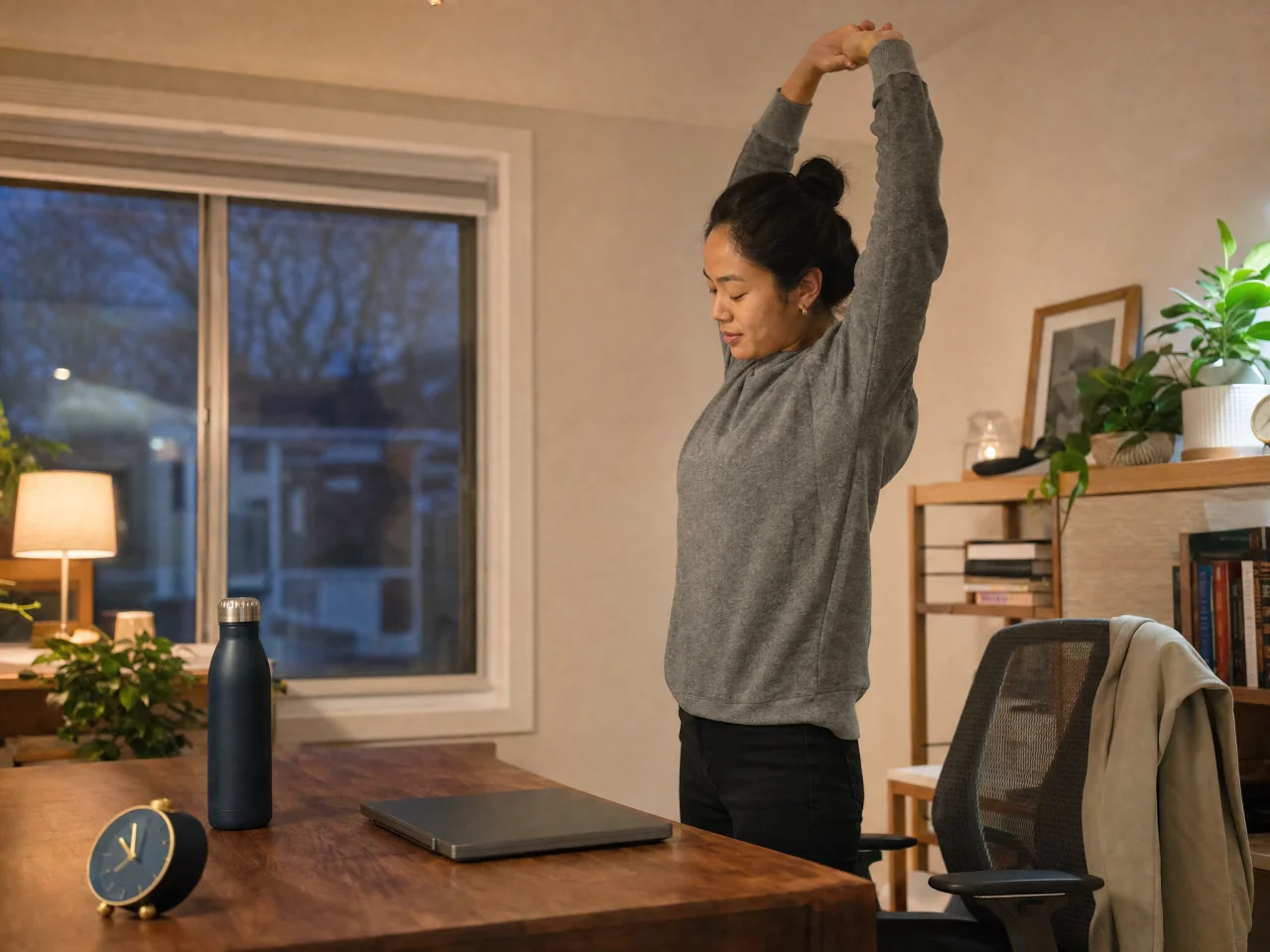
Build a healthier daily rhythm
Your mobility routine adds movement to the workday. A simple plan for sleep, meals, activity, and downtime can help those breaks fit into a healthier daily rhythm.